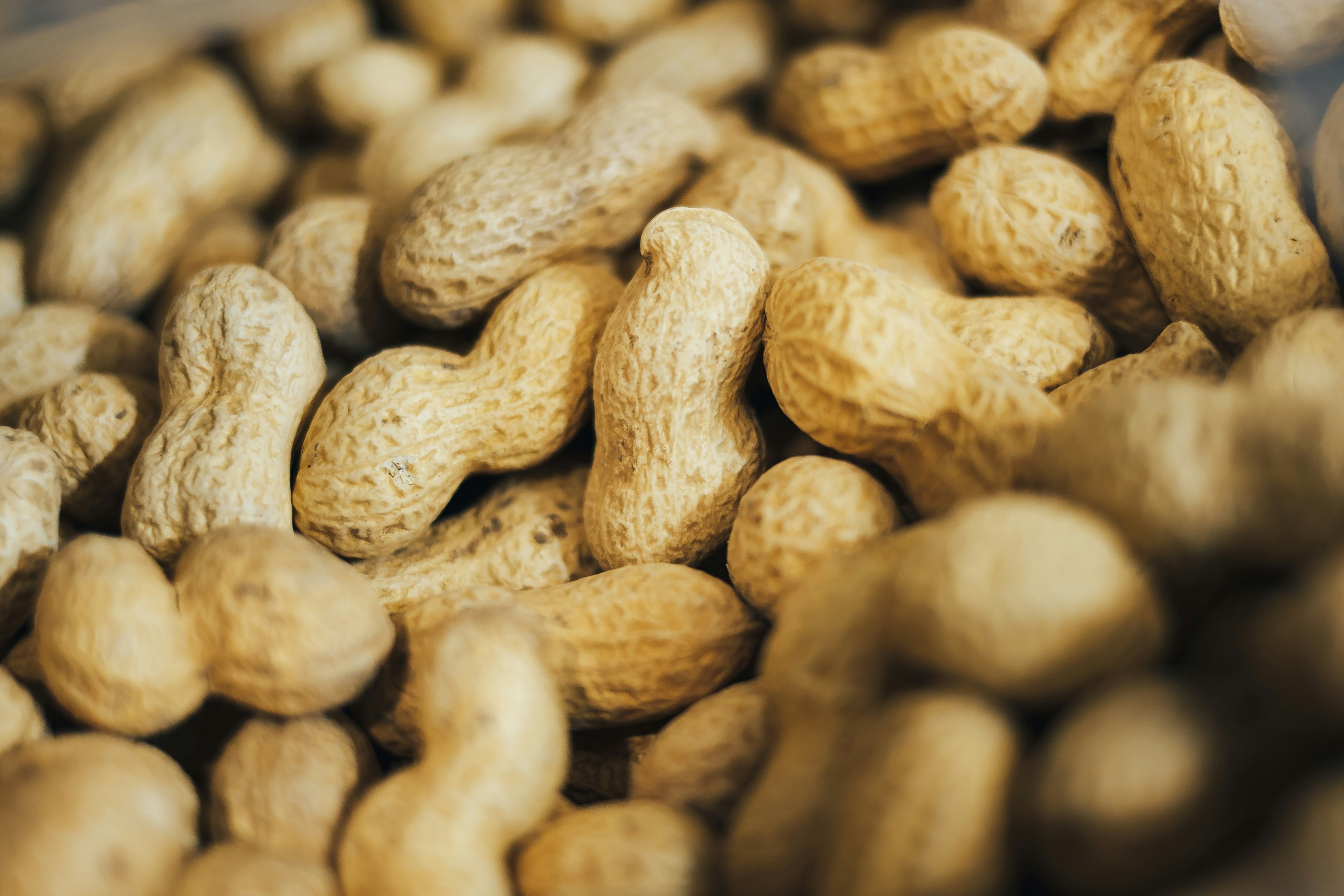
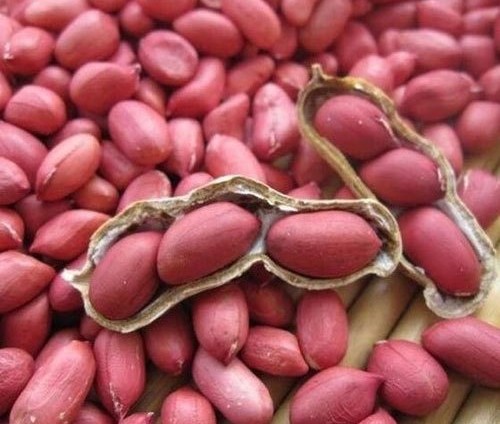
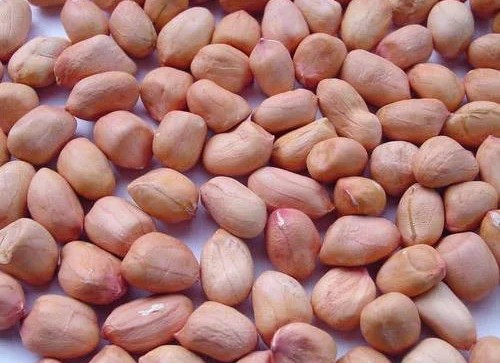
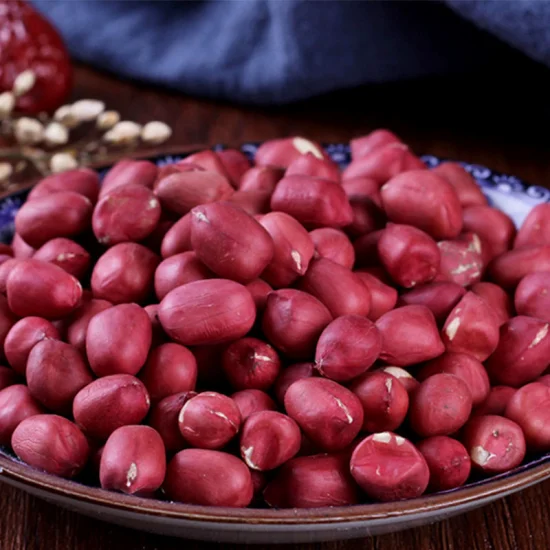
Peanuts

SAK PRODUCT PEANUTS

Kalihari flower Kalihari flower Kalihari flower

Introduction:

Peanuts account for about 2/3 of all nuts eaten in the U.S. They are enjoyed by all age groups and the research shows that all age groups benefit from eating them. Peanuts are a whole food that pack in a lot of nutrition into just one serving and can be included in a variety of diets. There is a large amount of consistent evident indicating peanuts significantly reduce the risk of heart disease. They are packed full of the same heart-healthy fats as olive oil, and contain essential nutrients, which have been shown to be heart protective. The more frequently you eat peanuts, the lower you risk of heart disease; just a handful a day can decrease the risk of heart disease by over 50%. Research also shows peanuts play a role in reducing risk factors associated with heart disease by improving lipid profiles, decreasing blood pressure, and decreasing inflammation.

Studies show that peanuts and peanut butter might decrease the onset and assist with managing the complica- tions of diabetes; they have been shown to keep blood sugar stable and improve cholesterol in both healthy individuals and ones with type 2 diabetes. Peanuts are very low on the glycemic index (GI) scale and have a low gly- cemic load (GL) due to their high fiber, high protein, and healthy fat content. Research shows peanuts can help keep blood sugar even after meals as well as throughout the day. And low GI foods have been shown to reduce long-term blood glucose levels, also known as Hemoglobin A1C, as much as prescribed medication.

Living a healthy lifestyle or trying to lose weight may seem challenging at times. Even though it is often thought a low-fat diet is the best approach, it has been shown that people are more successful on diets that incorporate healthy-fat options like peanuts due to their satiating high-fat content which can make them feel more satisfied. In addition, frequent peanut consumption is not associated with a higher BMI. In fact, eating peanuts is associated with better weight maintenance and may also assist with weight loss. Weight loss has been shown in both adults and children consuming a diet that includes peanuts or peanut butter. This may be due to the role of satiety. Peanuts and peanut butter have been shown to help decrease appetite as well the desire to eat when included with snacks or meals.

From the healthy fats, protein, and fiber in peanuts to their micronutrients and bioactive components, peanuts can help improve how you perform each day. Many healthy diet patterns such as the DASH diet, plant-based diets, the Mediterranean-style diet, the USDA MyPlate, and U.S. Dietary guidelines all include include peanuts as a nutrient-dense protein option. Peanuts, peanut butter, and peanut oil can be a great addition to any diet because they are affordable, enjoyed by all age groups, and can easily be included in almost any meal or snack.
Peanuts are Heart Healthy

  • Numerous studies have shown that nuts and peanuts have heart health benefits, and there is consistent evidence supporting a correlation with peanuts and the decreased risk for heart disease.
  • To get the Heart-Check Mark, nuts must meet certain nutri- tional levels and oil roasted salted peanuts meet this criteria (1). A 1 ounce serving of oil roasted salted peanuts contains only 119mg of sodium, which is less than one slice of bread (1 ounce) which contains roughly 170mg (2). Peanuts are naturally low in sodium and most of the salt is surface salt, which can rub off in the package or on your fingers. Also, peanuts are high in protein, heart-healthy oils, fiber, and many important nutrients shown to benefit heart health.
  • Reduces risk of diabetes

    Irrigation technique

    A major study by Harvard School of Public Health showed that the risk of type 2 diabetes decreases the more frequently peanuts and peanut butter are consumed. Participants who consumed a 1-ounce serving of peanuts or peanut butter 1 to 4 times a week saw about a 10% reduction in risk, whereas those consuming 1 ounce 5 or more times a week decreased their risk by 25% (13). Another large study suggested that replacing a serving of red meat with a serving of peanuts daily decreased type 2 diabetes risk by 21% (14).

    Magnesium has also been shown to play a role in risk re- duction for diabetes due to its positive effects on the release and effectiveness of insulin in the body (15,16). Peanuts are a good source of magnesium. In one study, individuals fed peanuts on a daily basis for three weeks, not only had a higher intake of magnesium, but blood magnesium also improved to above recommended levels (17).

    Blood Sugar Control

    Irrigation technique

    Peanuts have been shown to help keep blood sugar stable and improve cholesterol in both healthy individuals and those with type 2 diabetes (18,19).Peanuts and peanut butter have a very low glycemic index (GI) and glycemic load (GL) due to their high content of healthy fats, fiber, and protein. Glycemic index is a point scale used to compare how high your blood sugar and insulin spike after eating the same amount of carbohy- drates from different foods. Foods that are digested more slowly and release sugar gradually into the blood stream have a lower GI. Glycemic load also measures blood sugar spikes, but uses the typical serving size of each food item instead of a standard carbohydrate amount, making it an even better tool to show how different foods eaten can affect blood sugar (20).

    Manages Weigh Satiety

    Irrigation technique

    Although peanuts are high in nutrition, many avoid them for fear of weight gain. However, research has shown that eating peanuts is not associated with weight gain or a higher BMI. Two large studies (23,24) indicated that men and women who ate more peanuts were leaner and less obese than individuals who rarely consumed peanuts, and a survey by the USDA showed that children and adults who reported eating peanuts had lower BMIs (25).

    Peanuts can also be beneficial for maintaining weight. Researchers found that those who consumed peanuts at least two times per week were 30% less likely to gain weight (26). Also, Harvard researchers have shown that a moderate fat diet incorporating peanuts, peanut butter, and peanut oil as healthy fat options was easier to stick with and resulted in better weight maintenance over time com- pared to a traditionally recommended low-fat diet (27). And a recent study showed that nut consumption was inversely associated with body fat (5).

    Hunger Buster

    Irrigation technique

    Appetite control is a major obstacle in the fight against weight loss. Foods high in protein, fiber, and healthy fats, such as peanuts, have been shown to help reduce appetite and promote satisfaction after eating (30).

    It is the complete package of nutrients in peanuts, including the high amounts of protein and fiber, that make peanuts unique and hep to control appetite. Research indicates that those who eat peanuts naturally compensate for up to 3/4 of the calories consumed from the peanuts because they do not add additional calories to their daily diets (32). Researchers at Purdue University found that peanut butter and peanuts included at breakfast can decrease hunger throughout most the day..

    Nutrient-Dense Food

      Harvesting process

      Peanuts contribute essential nutrients to the diet to benefit overall health, and research shows that people who eat peanuts regularly have higher intakes of fiber, vitamin E, folate, iron, and zinc.

    Macronutrients

    Peanuts are packed full of beneficial nutrition to provide healthy energy. They are full of healthy fats, protein, and contain the healthiest form of carbohydrates, fiber. At least half of the fat in peanuts is heart-healthy monounsaturated fat and over 30% is polyunsaturated fat, making them very low in saturated fat, and they contain significant amount of protein and fiber even in small doses (2). In fact, they contain more protein than any other nut.

    Micronutrients

    Harvesting process

    Peanuts are also a good or excellent source of nine vita- mins and minerals, making them the most nutrient dense nut. Research shows that people who eat peanuts regularly have diets with higher nutrient quality. Consuming peanuts offers more key nutrients critical to health. In a study look- ing at more than 15,000 people who consumed peanuts and peanut products, it was found that levels of vitamin A, vitamin E, folate, magnesium, zinc, iron, calcium, and dietary fiber were higher than those who did not consume peanuts (33).

    MyPlate

    Harvesting process

    The new food guide pyramid, known as MyPlate, shows that peanuts and peanut butter can ft into any healthy diet. Peanuts are considered part of the protein group, which should make up roughly a quarter of your plate and 15-35% of your daily calorie intake. Peanuts contain more protein than any other nut and are a great vegetarian protein source. Nuts are highlighted as a great source of protein for vegetarian diets and non-vegetarian diets, and are also considered a healthy fat for weight management and reduced disease risk (49).

    Quality of Calories Count

    Harvesting process

    Peanuts come in a variety of forms that are both affordable and accessible. All parts of the peanut contain beneficial nutrients and can be included in any diet. Research has shown that peanuts, peanut butter, peanut oil, and peanut flour reduced the risk of heart disease (53). The skins of peanuts are also packed full of bioactive compounds (36). As an American favorite, it is easy to incorporate all forms of the peanut into meals and snacks throughout the day to add nutrition and decrease disease risk.

    Bioactives

    Harvesting process

    Peanuts contain bioactives, which are plant substances found to health benefits beyond vitamins and minerals (34). The known bioactives in peanuts include arginine, phy- tochemicals, phytosterols, phenolic acids, and flavonoids, all of which contribute to peanuts antioxidant capacity. Peanuts have been shown to have a higher antioxidant ca- pacity than green tea and red wine (35) , and when peanut are consumed with their skins, their antioxidant capacity doubles. Roasting peanuts can increase their antioxidant potential even further, and roasted peanuts with their skins have a higher antioxidant capacity than blueberries (36).

    Plant-Based Eating

    Irrigation technique

    Research shows that plant-based diets are associated with lower BMIs as well as reduce the risk of cardiovascular disease, cancer, and diabetes. A more recent study shows that vegetarian diets can cut the risk of heart disease by one third (47). Peanuts fit perfectly into this diet and can add lots of plant- based nutrition and protein to any snack or meal. They contain 8g of protein per 1 ounce serving, more protein than any other nut, and are high in essential nutrients (2). Peanuts paired with a whole grain creates a complete protein that is both affordable and well liked. A peanut butter sandwich fits this model perfectly.

    US Dietary Guidelines

    The 2010 the Dietary Guidelines recommends a plant- based diet with good sources of plant protein and encourages a healthy eating pattern that emphasizes nutrient-dense foods like nuts and peanuts (48). It also highlights healthy unsaturated fats, such as those found in peanuts, peanut oil, and peanut butter, to reduce disease risk. Fiber, healthy fats, and healthy protein are also recommended for weight management, all of which can be found in peanuts.

    Mediterranean-Style Diet

    A meta-analysis of 600 studies showed that the Mediterranean-style diet, based of eating patterns of people bordering the Mediterranean Sea, showed to be one of the most beneficial diets in improving the risk of heart disease (50). Peanuts are a great fit with this diet as it emphasizes a higher intake of healthy fats and protein from foods like nuts. Nuts have been a part of the Mediterranean lifestyle since pre-historic times and have been used in the past by different civilizations as medicine to prevent or treat certain diseases (51). A recent study using the Mediterranean diet and nuts showed a decrease in blood pressure, cholesterol, and insulin resistance among par- ticipants, as well as an inverse relationship with metabolic syndrome (5).

    DASH Diet

    Research scientists developed the Dietary Approaches to Stop Hypertension (DASH) eating plan as an effective dietary pattern for reducing blood pressure by includ- ing whole foods such as fruits, vegetables, nuts, seeds, and grains (52). A 1 1⁄2 ounce serving size of peanuts is included in the DASH eating plan four to five times per week. Peanuts are significant to this diet plan because they contribute rich sources of magnesium, potassium, fiber and plant protein – all of which may play a role in improv- ing blood pressure.